
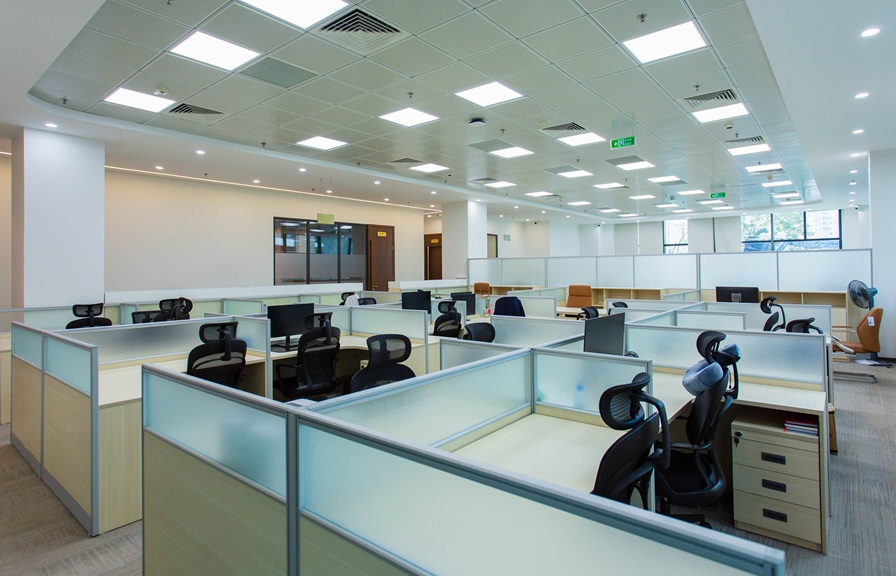
Modern workplaces have evolved well beyond rows of desks and chairs. Today, workplace design is recognised as an important contributor to employee comfort, collaboration, wellbeing and productivity.
While ergonomic office chairs often receive the greatest attention, creating a truly ergonomic workplace begins much earlier—with thoughtful office planning and the careful selection of commercial furniture that supports the way people actually work.
For organisations planning a new office, relocating premises or refurbishing an existing workspace, ergonomics should be considered from the earliest design stages rather than after construction is complete. The way employees move through a workplace, collaborate with colleagues and interact with furniture throughout the day has a significant influence on posture, comfort and long-term workplace satisfaction.
Creating healthier offices is about far more than purchasing individual ergonomic products. It requires designing environments that encourage movement, accommodate different work styles and provide adaptable furniture that supports employees throughout changing tasks and postures.
Whether designing a boutique professional office or a multi-level corporate workplace, organisations that place ergonomics at the centre of the design process are often better positioned to create environments that remain comfortable, productive and adaptable well into the future.
Workplace Ergonomics Begins with Overall Office Design
When employees experience neck pain, lower back discomfort or afternoon fatigue, the office chair is often blamed first. While seating certainly plays an important role, the overall workplace layout frequently has a much greater influence on how comfortably people work throughout the day.
Poor workstation planning can result in awkward reaching, repetitive twisting, unnecessary walking distances and work areas that discourage movement. Limited circulation space often encourages employees to remain seated for prolonged periods, while poorly positioned storage or inflexible meeting areas may unintentionally reinforce unhealthy working habits.
An effective ergonomic workplace considers the relationship between furniture, workflow and employee movement rather than viewing desks and chairs as isolated purchases.
By addressing these elements during the planning phase, organisations can create workplaces that naturally support healthier posture and better work habits from the moment employees move in.
Safe Work Australia also identifies workstation design, task variation and suitable equipment as important considerations when managing musculoskeletal risks in office environments, reinforcing the importance of taking a whole-of-workplace approach rather than relying on a single ergonomic intervention.
Designing Environments That Encourage Natural Movement
Modern ergonomics has shifted away from the idea that there is one perfect posture.
Instead, research increasingly suggests that remaining in any single position—whether sitting or standing—for prolonged periods may contribute to discomfort over time. Encouraging regular movement throughout the working day has therefore become a key principle of workplace design.
Simple planning decisions can make movement a natural part of everyday work, including:
- Centrally located collaboration spaces
- Conveniently positioned storage
- Height-adjustable sit-stand workstations
- Informal meeting areas
- Breakout spaces
- Shared equipment positioned away from desks
These design features encourage employees to stand, walk and change posture without interrupting workflow. Over the course of a working day, these small movements accumulate, helping reduce the physical demands associated with prolonged sedentary work.
Adapting to Hybrid and Flexible Work
Hybrid work has fundamentally changed how offices operate.
Rather than assigning permanent workstations to every employee, many organisations now manage shared desks and flexible work environments where multiple people may use the same workstation throughout the week.
This makes adjustability more important than ever.
Office furniture should accommodate a broad range of body sizes, preferences and work styles. Adjustable office chairs, sit-stand desks, monitor arms and flexible storage systems allow employees to quickly personalise their workspace, supporting both comfort and productivity.
Modern workplaces also benefit from providing a variety of settings rather than endless rows of identical desks. Quiet focus areas, collaborative spaces, informal lounges and project rooms enable employees to select environments that best suit the work they are performing while naturally encouraging movement throughout the day.
Designing flexibility into a workplace ensures it continues meeting organisational needs as work practices evolve.
Choosing Furniture That Supports Real Work
Commercial office furniture should be selected according to how people perform their work—not simply how it looks.
Examples include:
- Task workstations for focused individual work
- Height-adjustable desks that encourage posture variation
- Ergonomic office chairs that accommodate different body types
- Adjustable monitor arms that position screens at appropriate eye height while reducing unnecessary neck flexion
- Collaborative furniture that supports teamwork
- Mobile storage that allows workspaces to adapt quickly
When furniture is selected as part of a broader workplace strategy, it quietly supports employees throughout the day rather than forcing them to continually compensate for poor design.
The Workplace Environment Matters Too
Ergonomics extends well beyond desks and chairs.
Lighting, acoustics, temperature and visual distractions all influence posture, concentration and overall workplace comfort.
Glare on computer screens may encourage employees to lean forward. Poor lighting can contribute to eye fatigue, while excessive noise often results in increased stress and reduced concentration.
Modern office planning increasingly considers these environmental factors alongside furniture selection.
Acoustic wall panels, privacy screens, dedicated quiet zones and carefully planned lighting all contribute to workplaces that better support concentration while reducing unnecessary physical and mental strain.
Viewing ergonomics as an integrated workplace strategy rather than a collection of individual products produces far better long-term outcomes.
Supporting Different Ways of Working
No two employees perform identical roles.
Some spend most of their day at a computer. Others move regularly between meetings, client presentations, collaborative projects and focused individual work.
Successful workplace design reflects these differences by providing a variety of environments, including:
- Focused workstations
- Meeting rooms
- Collaboration hubs
- Quiet work areas
- Informal breakout spaces
- Training rooms
- Touchdown workstations
Providing employees with environments suited to different activities encourages natural movement throughout the day while improving both flexibility and workplace satisfaction.
The Value of Professional Workspace Planning
Designing an ergonomic office involves considerably more than fitting desks into available floor space.
Professional workplace planning considers circulation paths, workstation spacing, accessibility requirements, technology integration, storage, lighting, acoustics, future organisational growth and employee workflows.
Organisations planning commercial office fit-outs often achieve better ergonomic outcomes when workspace planning, furniture selection and employee workflows are considered together from the earliest stages of the project.
This integrated approach creates workplaces that are comfortable, practical and adaptable while helping avoid expensive modifications after employees have occupied the space.
Supporting Posture Beyond the Chair
Although ergonomic chairs remain an important part of workplace health, they represent only one element of an effective ergonomic strategy.
Healthy workstations also include:
- Properly positioned monitors
- Adjustable monitor arms
- Sit-stand desks that encourage posture variation
- Appropriate desk heights
- Comfortable keyboard and mouse positioning
- Adequate legroom
- Effective lighting
- Acoustic comfort
- Opportunities for regular movement
When these elements work together, organisations create workplaces that actively support employee comfort throughout the working day.
Measuring Success Beyond Productivity
The success of an ergonomic workplace should not be measured solely by output.
Many organisations now evaluate workplace performance using broader indicators such as employee wellbeing, workplace satisfaction, collaboration, staff retention and absenteeism.
An office that supports comfortable movement, accommodates different working styles and encourages healthy work habits can contribute to a more positive employee experience while helping organisations attract and retain talented staff.
Although no workplace design can eliminate every physical complaint, thoughtful planning creates environments that better support the people using them every day.
Small Design Decisions Can Deliver Significant Benefits
Improving workplace ergonomics does not always require a complete office refurbishment.
Many organisations begin with relatively simple improvements, such as introducing monitor arms, replacing fixed desks with sit-stand workstations, reorganising storage to reduce unnecessary reaching or creating informal meeting spaces that encourage movement away from individual desks.
When larger projects are undertaken, considering ergonomics during the planning stage almost always delivers better outcomes than attempting to solve workplace issues after construction has finished.
Small design decisions made early frequently deliver lasting improvements for both employees and organisations.
Designing Better Workplaces for the Future
Creating an ergonomic workplace begins long before selecting an office chair.
Successful office environments are built around understanding how people move, collaborate and perform their work throughout the day. When workspace planning, furniture selection and employee movement are considered together, organisations create workplaces that are more comfortable, more adaptable and better equipped to support long-term wellbeing.
As technology, hybrid work and employee expectations continue to evolve, businesses have an opportunity to rethink how offices function. The workplaces that perform best tomorrow will be those designed around people rather than products.
Ultimately, ergonomics is not simply about choosing better furniture. It is about creating environments that help people work comfortably, move naturally and perform at their best. When office design places people at the centre of every decision, healthier workplaces become a natural outcome rather than an afterthought.
