Dental professionals have long recognized the importance of occlusion and mandibular dynamics in oral health. However, an often overlooked but equally crucial factor is the patient’s posture. Whole body, global posture has a significant influence craniovertebral function and over time affect craniofacial morphology and function.
With tech neck and other maladies of modern life, global posture has become a significant and often overlooked cephalometric variable responsible for chronic craniocervical stress. In this article we discuss the integral relationship between posture and dental practice, and addressing the relevance of global posture as a vital cephalometric variable.
The Impact of Chronic Craniocervical Stress:
Chronic craniocervical stress, resulting from prolonged periods of improper posture, exerts a profound influence on mandibular dynamics, TMJ function, and the prevalence of cephalgias. Repetitive microtrauma stemming from poor posture leads to a cascade of deleterious effects, including altered occlusal forces, muscular imbalances, and condylar displacement. Over time, this chronic stress may culminate in condylar degeneration, exacerbating TMJ disorders and cephalgias.
Condylar Degeneration: A Consequence of Neglected Posture:
Condylar degeneration, a hallmark of craniomandibular dysfunction, arises from sustained malalignment of the craniocervical complex. Harmonious interplay between the temporomandibular joint and the mandible is disrupted by subtle global postural stress, which in turn causes aberrant loading patterns on the condyle. As a result, degenerative changes accumulate within the condylar tissues, compromising joint integrity and function.
Standardized Posture Pictures: A Diagnostic Dental Advantage:
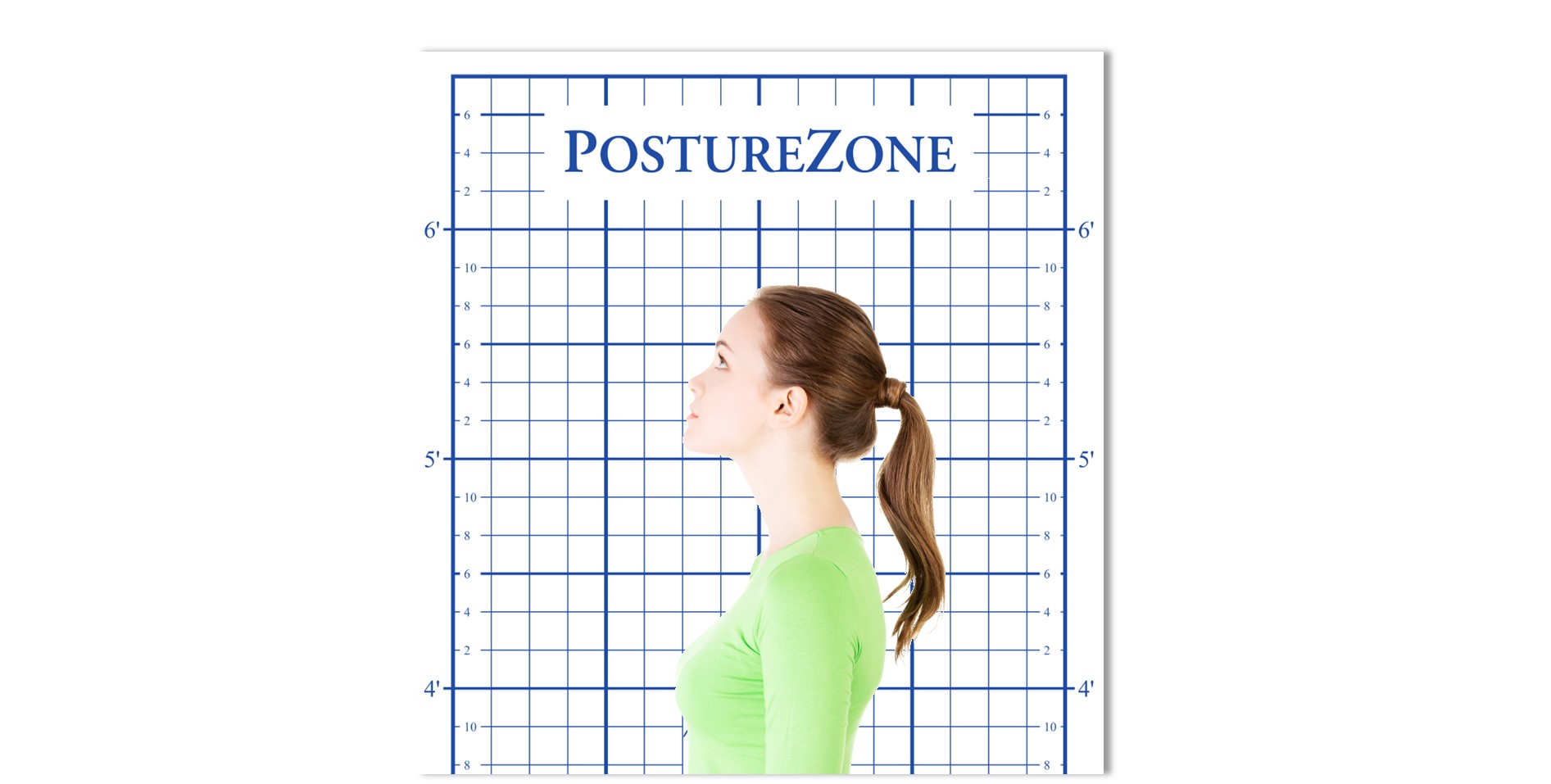
In light of the profound impact of posture on craniocervical and craniomandibular function, dental and orthodontic professionals are increasingly adding standardized posture pictures to their diagnostic repertoire. By including a posture picture during annual exams the dental professional provides an understandable and concrete link between dental health and whole body health.
A visual record of the patient’s global posture is an underutilized tool to promote early intervention and mitigate the effects of chronic craniocervical stress. By comparing successive images captured against the background of a standardized grid, clinicians can discern subtle changes in posture and more effectively link mouth heath to respiratory health.

Assessment of Craniocervical and Craniomandibular Function:
Standardized posture pictures serve as invaluable tools for evaluating both craniocervical and craniomandibular function. By superimposing cephalometric analyses onto posture images, the clinician can delineate the intricate relationships between craniofacial structures and global posture. This integrated approach facilitates a holistic understanding of the patient’s craniofacial biomechanics, informing targeted treatment strategies. In addition, the referral of patients with co-existing neuromusculoskeletal conditions (eg, bad and neck pain) to an appropriate chiropractor or physical therapist, the dental professional can improve results and patient satisfaction, as well as cultivate a relationship for future collaboration and referrals.
Bottom line:
Global posture should play a greater role in dental practice. Chronic craniocervical stress emerges as a significant factor in mandibular dynamics, TMJ disorders, and cephalgias, underscoring the importance of early intervention. The adoption of standardized posture pictures with a grid on an annual basis is advocated to comprehensively assess craniocervical and craniomandibular function. By incorporating posture assessment into their practice, dentists can enhance diagnostic accuracy and provide more effective, patient-centric care.
[gdlr_divider type=”solid” size=”50%” ]
Resources:
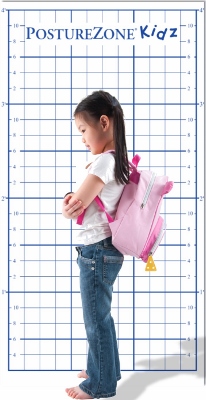

- Posture grids used in dental, orthodontic and surgical practices are available from BodyZone and PostureZone. These companies work with dentists, orthodontists, therapists, researchers, universities and hospitals worldwide providing posture related supplies.