
Lipocartilage: A Revolutionary Discovery in Skeletal Biology
A groundbreaking discovery in neuromusculoskeletal anatomy has identified a previously unknown tissue type that functions as the body’s natural shock absorption system. This finding transforms our understanding of joint biomechanics, with implications and opportunity for the treatment of NMS conditions from post-trauma to degeneration.
A Novel Tissue Type
“Lipochondrocytes are not fat cells, nor are they conventional cartilage cells,” according to study co-author Maksim Plikus. “They represent a distinct skeletal tissue type that uses lipids in a previously unknown way.” This innovative biological structure serves as a sophisticated cushioning system, fundamentally changing our understanding of how joints maintain their integrity under stress.
Unique Structural Properties
At the heart of this discovery are the remarkably stable lipid vacuoles within lipochondrocytes. Unlike traditional cartilage components, these lipid-filled structures function as active structural elements rather than passive fillers, and thus contribute to cartilage’s shape and biomechanical properties.
This dynamic nature is key to overall joint function and how they:
- Absorb mechanical shock effectively
- Maintain structural integrity under varying conditions
- Adapt to changing mechanical demands
Broader Implications for Human Health
The discovery of lipocartilage extends far beyond basic biology, potentially revolutionizing our approach to various clinical NMS conditions:

Joint Disorders
This finding offers new perspectives on inflammatory arthritis as well as osteoarthritis and degenerative joint diseases (DJD). Understanding lipocartilage’s role in joint function could lead to innovative treatment approaches. My prediction is this will further support the understanding of physiologic mechanisms for slow and accurate motion motor control exercise with aware control such as StrongPosture® exercise, yoga, and tai-chi.
Metabolic Regulation
The similarity between lipochondrocytes and adipose tissue-forming cells suggests a previously unknown connection between structural support and metabolic regulation. From a pharmacologic as well as function medicine and nutritional perspective, this link could provide crucial insights into energy management and inflammatory responses.
Interoceptive Systems
The presence of this specialized tissue may contribute to our understanding of how the body monitors and responds to internal conditions, particularly in terms of interoception and energy regulation, as well as the progression of inflammatory processes from a healthy reaction of the healing process to the chronicity of a self-sustaining inflammatory pathology.
Clinical Applications
Understanding lipocartilage’s unique properties could lead to:
- Novel therapeutic approaches and interprofessional collaborations for joint diseases
- Advanced biomaterial development for tissue engineering
- Improved strategies for managing inflammatory conditions
- Better understanding of metabolic disorders
Conclusion
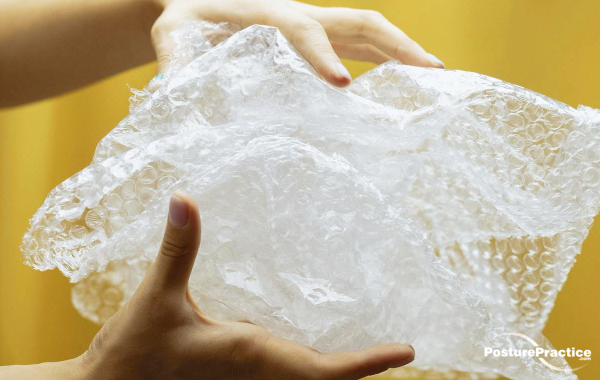
The discovery of lipocartilage represents a paradigm shift in our understanding of skeletal biology. This “biological bubble wrap” proves that cartilage is far more complex than previously thought – it’s a dynamic, multi-component tissue with extensive biomechanical and metabolic properties. This finding not only enhances our basic understanding of joint function but also opens new possibilities for treating various medical conditions.
As research continues, lipocartilage may prove to be a crucial missing link in our understanding of joint health, metabolism, and inflammatory processes. Its discovery emphasizes the continuing evolution of our knowledge about fundamental biological systems and their roles in health and disease.
References:
Superstable lipid vacuoles endow cartilage with its shape and biomechanics Ramos, R. et al. Science 387, eads9960 (2025). DOI: 10.1126/science.ads9960
Revealed: the fatty cells that are the ‘bubble wrap’ of the body-Previously undescribed cells look like fat cells, but function to provide cushioning and support in cartilage. Nature, Published online: 09 January 2025; doi:10.1038/d41586-025-00012-7


About Post Author